
WHAT'S ON THE BLOG
Helping Faith -Driven Women Steward their Finaces with Confidence + Clarity

Investing Basics: The Step-by-Step Path to Long-Term Peace
Investing Basics: The Step-by-Step Path to Long-Term Peace
Warren Buffett once said that someone is sitting in the shade today because someone else planted a tree a long time ago.
I really want you to let that sink in. The tree you plant today, even a small seed, even an imperfect one, is the shade your future self and the generations after you will be sitting under. Today we're going to talk about exactly how to plant it.
The Story of Two Women
Let me paint a picture for you.
Imagine two women — same age, same income, same season of life. Both busy moms. Both working hard. Both wanting to be wise stewards with their money.
The first woman starts investing $200 a month at 30 years old. She doesn't have it all figured out. She doesn't have a perfect amount or a perfect account. She just knows she needs to start, so she does.
The second woman waits. She doubts, she second-guesses, she tells herself she'll start later — when the kids are in school, when things are less hectic, when there's more margin. In a few years they'll be making more money and it'll be easier. But those few years turn into a decade, and she starts investing at 40.
By the time they are both 65, assuming a 9% average return, the first woman has $521,788. The second woman has less than half — $205,006. That is over a $300,000 difference just from waiting 10 years.
And you might be thinking — that won't be me, I'm not going to wait 10 years. But we are in 2026. Doesn't it feel like 2016 was just yesterday? I'm telling you, 10 years goes by like that.
The second woman in this story is not lazy. She's not irresponsible. She's not less educated. She just kept waiting for the right time that never came. And I don't want that to be your story.
Step 1: Start With Something. Not the "Perfect" Amount
If you look at your financial freedom number and think, there is no way I can invest that much right now, and then you scrap the whole plan and don't start at all — please don't make that mistake.
The goal of knowing your number is to bring awareness of what you're working toward and light a fire under you about how urgent it is. It is not to paralyze you.
Something is always better than nothing. The universal goal in investing and retirement planning is to put away 10 to 15% of your income — but just start with 1% if that's what you can do right now. Because what I've seen over and over again with the women I coach is that once you get your money organized, clean up the budget, find the margin, and get a structure in place, you will be shocked at how possible it becomes to invest more and more every month. But it starts with something. Not the perfect amount. Just something.
Galatians 6:9 says, "Do not grow weary in doing good, for at the proper time you will reap a harvest if you do not give up." This may be hard to get started. But if you keep going, there is a harvest waiting for you.
Step 2: Pick the Right Account and Keep It Simple
This is where most people get overwhelmed and then do nothing — and nothing is the absolute worst option. So let me walk you through the basics.
If you have a 401k or 403b through your employer — especially if your employer matches contributions — start here. I love this option because the money comes out of your paycheck before it ever hits your account, so it gets invested automatically without you having to think about it.
If you don't have that option, consider a Roth IRA. This is my favorite account for most of the women I work with because your money grows completely tax-free — you don't pay taxes when you take it out in retirement. The contribution limit for 2026 is $7,500 for those under 50. But remember, that is just a maximum. There is no minimum requirement. You could contribute $50 a month and that is completely fine. Just know your eligibility is based on your gross income, so double check that you qualify.
If you're self-employed or a business owner, you have some really powerful options like a SEP IRA or a Solo 401k that allow you to contribute significantly more. That's a longer conversation, but I just want you to know those options exist for you.
The best thing you can do is pick an account and stick with it. Otherwise you will get stuck in analysis paralysis forever, and that is the most expensive place to stay.
Step 3: Automate It
This might be the most important step of all. Set up your contributions so they come out automatically every single month before you see the money — before you have the chance to spend it, second-guess it, or decide it's not a great month because the car needs tires or the kids need new shoes. Because something will always come up. Always.
And here's an important piece of the automation puzzle — you also need to make sure the money inside your account is actually being invested. The account itself is just the container. Think of it like a checking account. The funds inside are what make your money grow, because that's when you're investing in companies that pay you and outpace inflation.
I recommend starting with a low-cost index fund. This is one fund that invests in hundreds — sometimes thousands — of companies, so you are diversified and growing aggressively without having to analyze anything. I literally get weekly notifications from our Fidelity app showing our investments growing while I'm brushing my teeth or getting home from a late baseball game. That's money working for you instead of you working for money.
Set it up. Pray over it. And trust God with the growth. Because here's what I know to be true — we bring the discipline, but God ultimately brings the increase.
A Quick Recap
Step 1: Figure out your financial freedom number and work backwards to find the monthly investment amount you need — or just start with whatever you can and plant the seed.
Step 2: Pick the right account and keep it simple. Start with your employer 401k if you have one, or open a Roth IRA if you're eligible.
Step 3: Automate it. Build a system that runs without requiring your willpower every single month.
The shade you are going to sit in 10 years from now, 30 years from now, the peace, the options, the freedom, the legacy you leave your kids and your kids' kids, it is being planted right now by the decisions you make today. Not when things calm down. Not when the timing is perfect. Not when someone else does it for you.
Plant the tree today. Your future self is going to be so grateful that you did. And maybe one day a grandchild is going to look at you and say — that's her, she's the one who changed everything for our family. That is what I ultimately want for you.
If you liked this blog post, make sure to head over to our podcast and listen to the full episode!
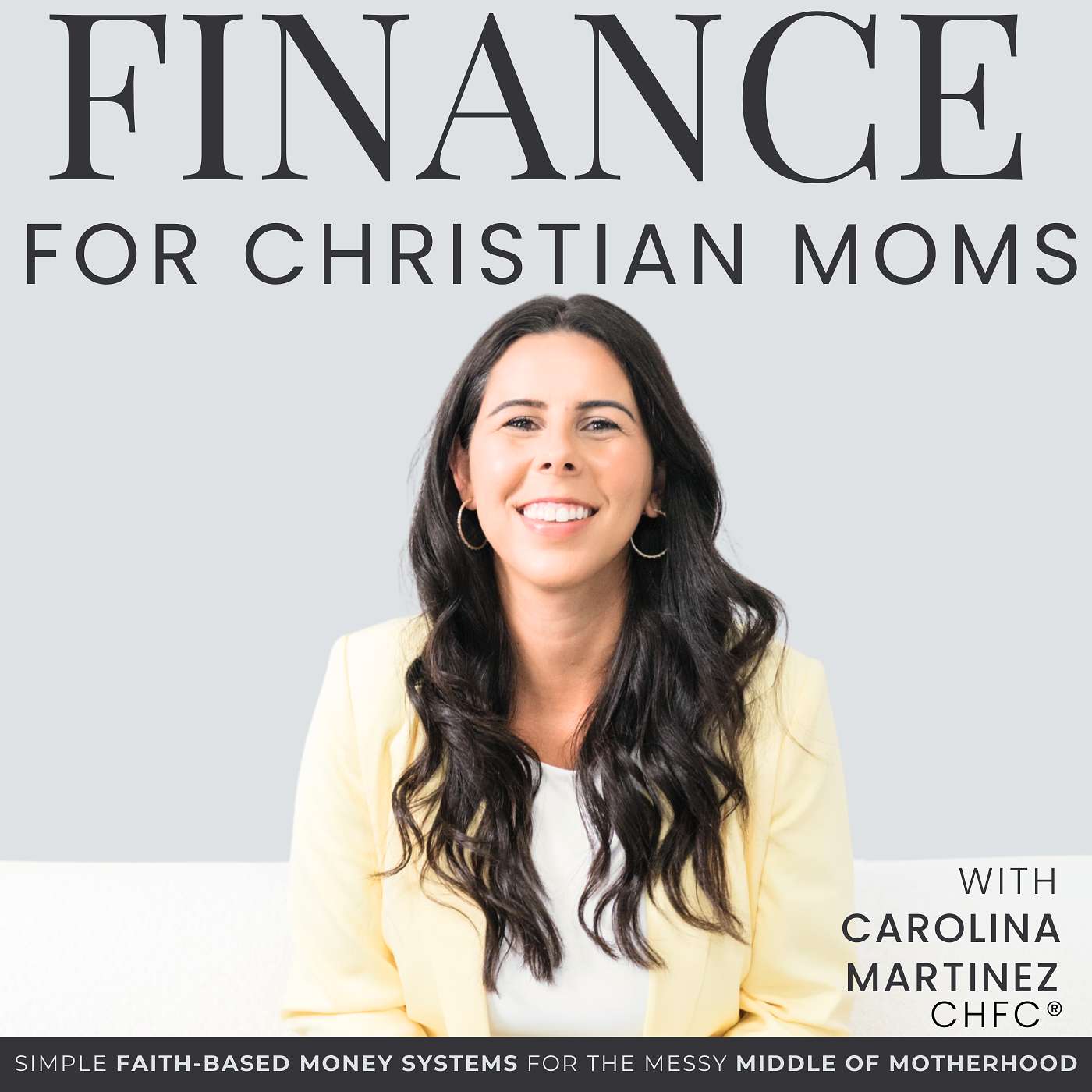
Episode 15 | Investing Basics: The Step-by-Step Path to Long-Term Peace
Ready to stop doing this alone? Here are some resources so we can start working together!
Sign up for my FREE weekly newsletter
Watch the FREE crash course: How $10 this week can turn in $20,000 by your kid's 18th birthday


Ready to take your next faithful step?
Start with the free Financial Freedom Calculator.
Faith. Freedom. Financial Peace Straight to Your Inbox
Discover how to manage your money with peace, purpose, and confidence. Each month, I share practical steps and faith-based insights to help you.



The information shared here is for general educational purposes only and is not intended as personalized financial advice. Please consult a licensed professional for advice tailored to your specific situation.
© 2026 Cashflow with Carolina. All rights reserved.